
A mosque carpet designed for a sacred space is not limited to appearance. The role of mosque carpets is much deeper, it quietly shapes how worshippers feel the moment they enter for prayer. Carpets play a key role in creating calm, order, and spiritual grounding. They support focus and alignment during salah, reduce noise, and improve the overall experience of worshippers.
As mosques in Dubai welcome visitors from diverse cultures, the quality of carpets, their hygiene, and durability should be your priority. Reflective colors, gentle textures, and row direction preserve the calmness of the interior and respect the design of the Islamic prayer space. This article explains the role of mosque carpets, its spiritual symbolism, and how thoughtfully selected mosque flooring supports peaceful worship every day.
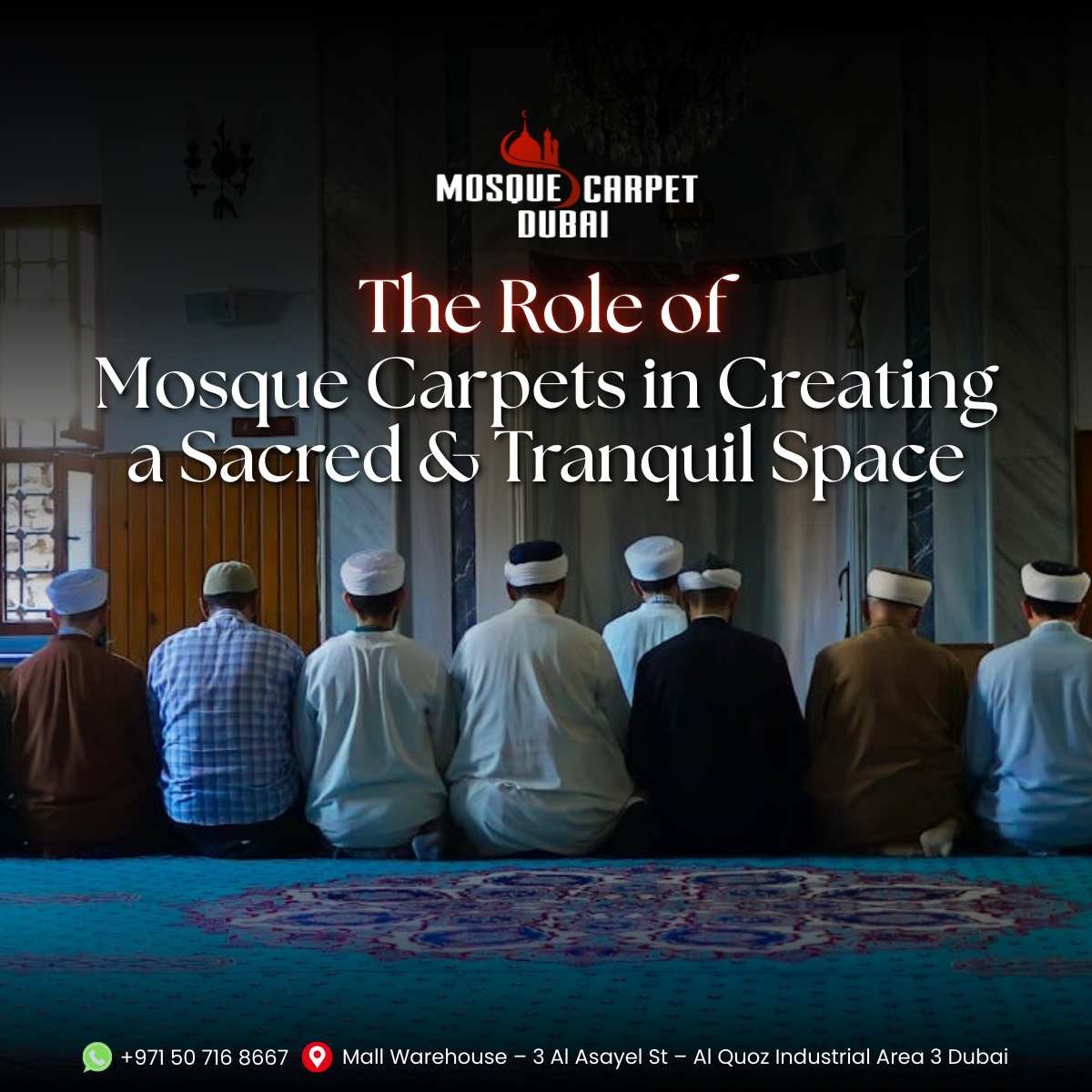
Understand the Spiritual Environment of a Mosque First
A mosque is not merely a gathering place. In Islam, it is a sanctuary where one can worship, meditate, and connect with Allah. Every day, five times, people enter a mosque to slow inner noise, outer-world stress, and distraction. The aim of a mosque is to make the hearts comfortable, minds focused, and prayers heartfelt. Words alone cannot capture this feeling, it comes from the creation of the space itself.
The physical environment of a mosque is silent yet deeply influential. Light, sound, cleanliness, and layout affect how an individual feels during prayer. A clear and well-arranged space makes it easier to focus when standing, bowing, or prostrating. Even minor details can enhance or disturb this experience.
Here is where mosque carpets are essential. The role of mosque carpets goes beyond covering the floo, they define rows, soften footsteps, reduce echoes, and add warmth. Over time, carpets become part of the mosque’s identity. Thoughtful selection creates a sacred space that supports both spiritual focus and physical comfort without ever drawing attention to itself.
The Historical Role of Carpets in Islamic Worship Spaces
In the early days of Islam, mosques were simple. The Prophet’s Mosque in Madinah had a bare earth floor, sometimes covered with palm leaves or woven mats. The focus was humility, cleanliness, and unity in prayer, rather than decoration. Worshippers stood shoulder to shoulder on natural ground, reminding everyone that simplicity itself can be sacred.
As Islam spread, floor coverings evolved. Grass mats gave way to woven rugs and hand-knotted carpets. This change was about comfort, hygiene, and respect for the prayer space, not luxury. In colder regions, carpets provided warmth. In busy mosques, they kept floors clean despite heavy foot traffic. Designs began to guide rather than distract lines helped align prayer rows, and patterns remained balanced and restrained.
The role of mosque carpets historically reflects the connection across Islamic worship spaces. From Persia to Turkey, North Africa to the Gulf, regions developed distinct cultural elements while maintaining shared traditions. Today’s mosque carpets continue this legacy, combining traditional aesthetics with practical functions to preserve the sacred atmosphere during each sajdah.
Symbolism of Mosque Carpets in Islam
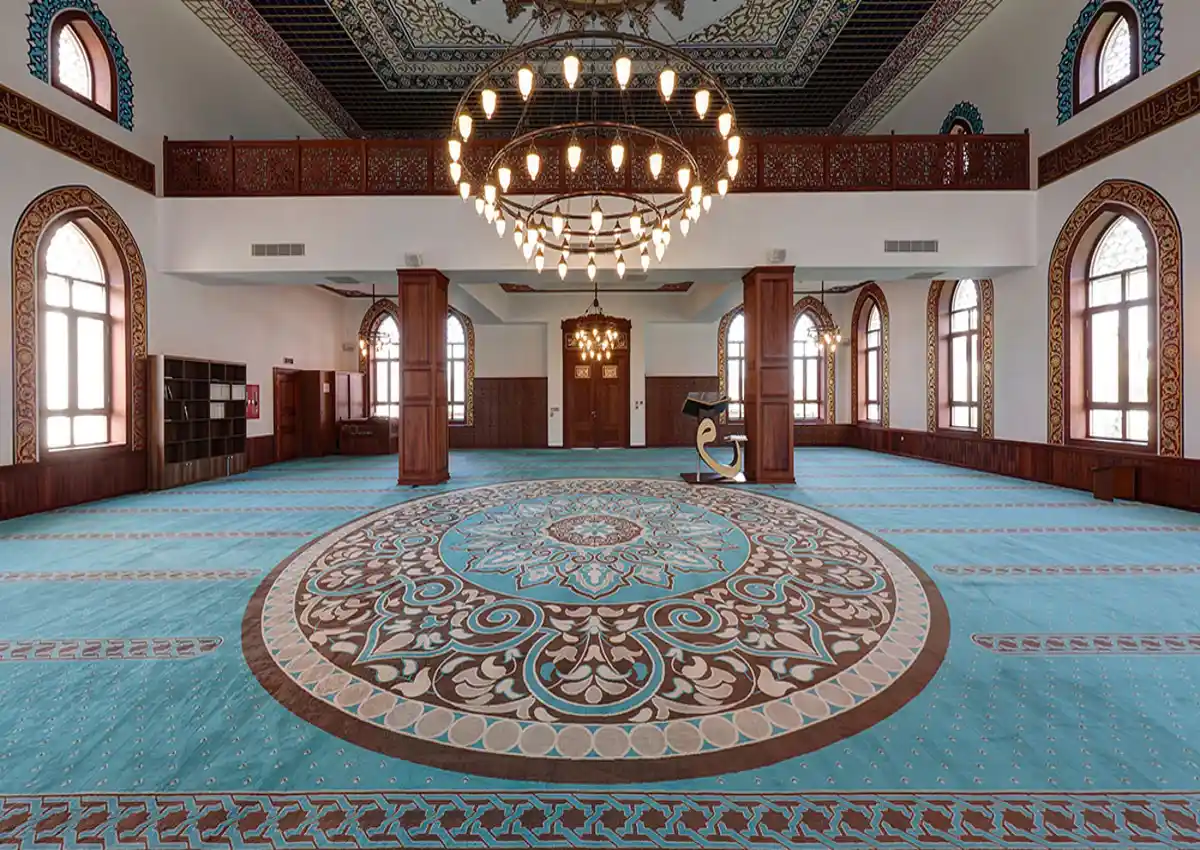
Mosque carpets do more than provide comfort, they reflect values central to Islamic worship: unity, humility, and order. The role of mosque carpets is subtle yet powerful, shaping how prayer feels and flows. Its symbolism is woven into daily worship rather than displayed for attention.
Standing Together as One in Prayer
Mosque carpets help gather worshippers into neat, aligned rows. Everyone stands at the same level, facing the same direction, performing the same movements. The shared ground beneath their feet reinforces a core Islamic message: in prayer, all are equal before Allah. The carpet supports this unity without words.
Patterns That Guide, Not Distract
Patterns in mosque carpets are chosen carefully. Repeating shapes and balanced designs reflect harmony and order while avoiding distraction. Over time, these familiar patterns become comforting, quietly enhancing the spiritual environment of the mosque.
Comfort and Physical Support During Prayer
Prayer involves repeated standing, bowing, and prostration. The role of mosque carpets here is to make each movement more comfortable, allowing worshippers to focus on prayer rather than strain.
Cushioning for Sujood and Qiyam
During sujood (prostration) and qiyam (standing), significant pressure is placed on knees, feet, and joints. Mosque carpets provide gentle cushioning that eases this strain, supporting proper posture and enhancing spiritual concentration.
Accessibility for All Worshippers
Well-designed carpets also improve accessibility. Elderly worshippers or those with joint challenges benefit from padded, non-slip flooring. Uniform cushioning enables all members of the community to fully participate in prayers.
Cleanliness, Purity, and Hygiene
Cleanliness is vital in Islamic worship. Prayer requires physical and spiritual purity, and mosque carpets contribute significantly.
Importance of Hygiene
Even after wudu, worshippers benefit from a clean prayer space. Worn or dirty flooring may distract worshippers and reduce comfort.
How Carpets Help Maintain Clean Prayer Areas
High-quality mosque carpets are easy to clean. Thick fibers capture dust and debris, while many carpets are stain-resistant or anti-bacterial. In busy Dubai mosques, well-chosen carpets maintain cleanliness, ensuring worshippers pray in a comfortable, pure, and sacred environment.
Tranquility Through Sound Absorption
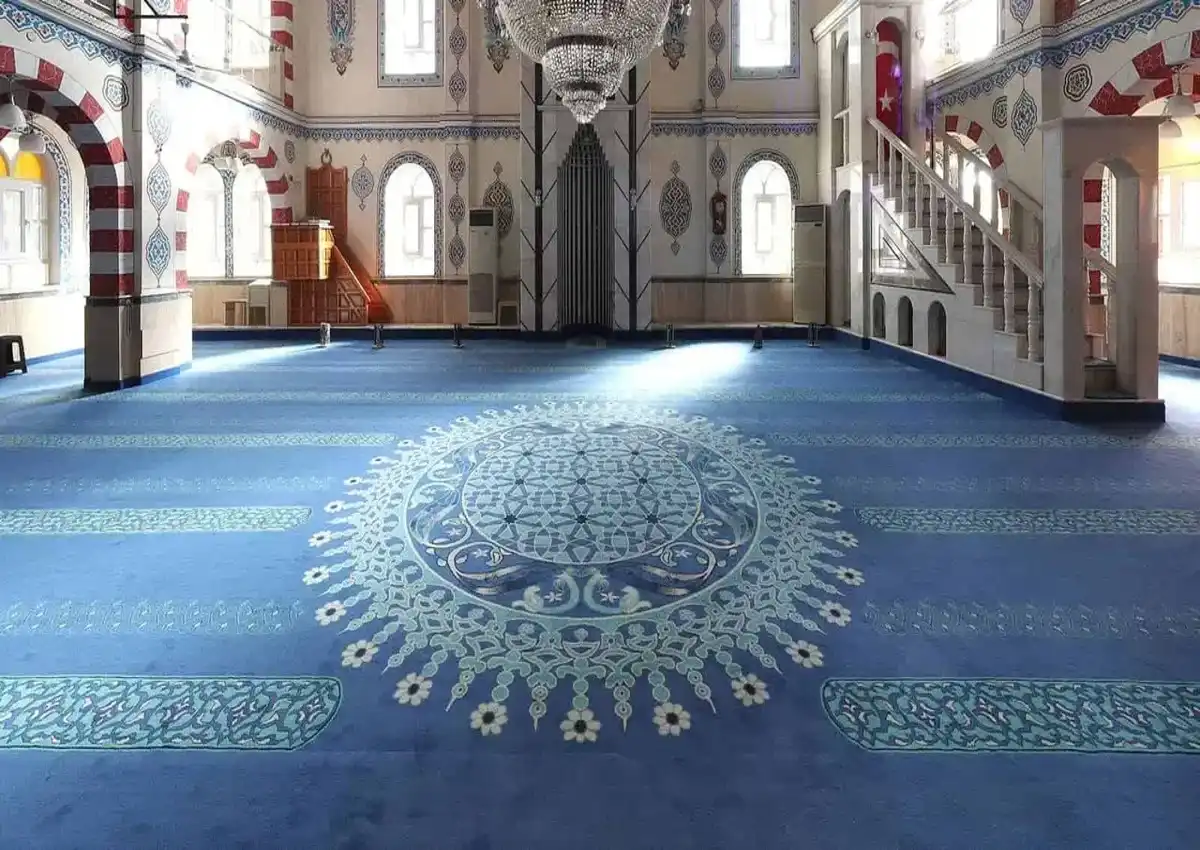
Silence and focus are essential for meaningful prayer. In busy mosques, noise from footsteps or whispers can distract worshippers. Mosque carpets play a subtle yet powerful role of mosque carpets by absorbing sound, reducing echoes, and maintaining a peaceful atmosphere.
Visual Harmony and Aesthetic Balance in Mosques
The appearance of a mosque influences the way worshippers pray. Mosque carpets contribute to this balance. Colors, patterns, and textures are chosen to harmonize with the interior design, creating a calm and focused environment.
Color Choices That Calm the Mind
Gentle colors evoke relaxation, while bold contrasts define prayer rows without distraction. Harmonious colors help worshippers focus during salah.
Islamic Art, Motifs, and Carpet Design
Geometric shapes, symmetry, and repeating motifs reflect balance and order. Patterns guide the eye subtly, combining traditional art with functional comfort.
Defining and Organizing Prayer Rows
One practical role of mosque carpets is guiding worshippers into neat, organized rows. Proper alignment reflects discipline, unity, and respect. Visual cues in carpet patterns ensure everyone faces the qibla correctly and maintains even spacing, supporting collective worship naturally.
Psychological and Spiritual Impact
Mosque carpets provide physical and emotional support. The role of mosque carpets creates an environment that fosters mental peace, allowing worshippers to pray with focus, humility, and inner calm. Familiar patterns and layouts reinforce comfort and belonging, enhancing the communal worship experience.
Materials, Durability, and Sustainability
Durable materials ensure mosque carpets withstand high foot traffic, repeated prayers, and large gatherings. Wool, nylon, polyester, or blended fibers balance comfort, longevity, and ease of maintenance. Sustainable production reduces waste, reflecting Islamic values of responsible stewardship.
Maintenance as an Act of Respect
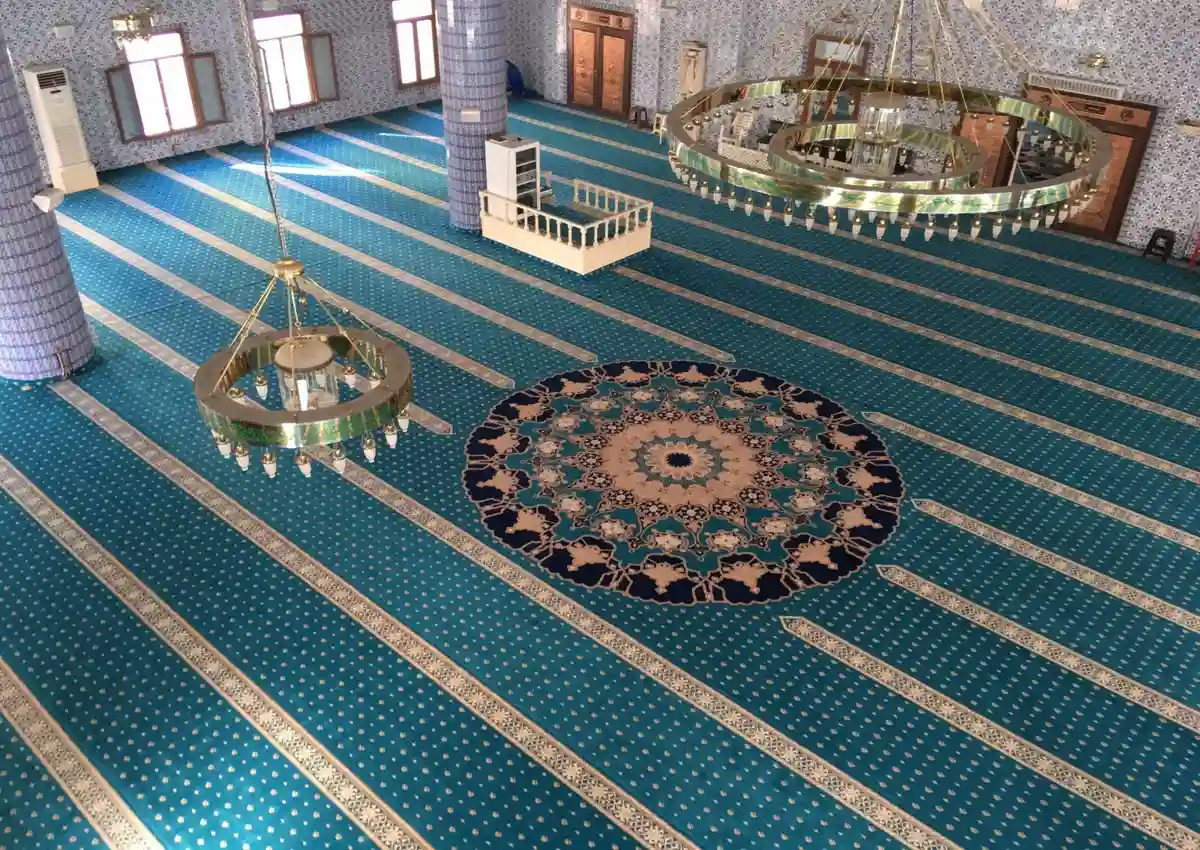
Maintaining mosque carpets is an expression of respect for the sacred space. Clean, well-kept carpets support comfort, tranquility, and dignity during worship. Regular cleaning and care ensure the mosque remains welcoming for everyone.
Community Connection and Collective Worship Experience
Mosque carpets strengthen the shared experience of collective worship. Rows naturally guide people to stand together, shoulder to shoulder, reinforcing unity. Familiar patterns provide comfort for regular worshippers and make newcomers feel included.
Conclusion
Mosque carpets do far more than cover floors. Their role of mosque carpets supports prayer, guides movement, softens sound, and carries cultural memory. They create a space where worshippers feel calm, focused, and connected. From comfort and cleanliness to unity and tranquility, their impact is both practical and deeply spiritual.
A well-chosen carpet does not demand attention; it quietly sustains the sacred atmosphere day after day, prayer after prayer.
If you are planning or caring for a mosque space and want guidance you can trust, feel free to reach out to our Dubai expert on WhatsApp at +971 50 716 8667. The right conversation is often the first step toward creating a space that truly feels at peace.
You May Also Like to Read: